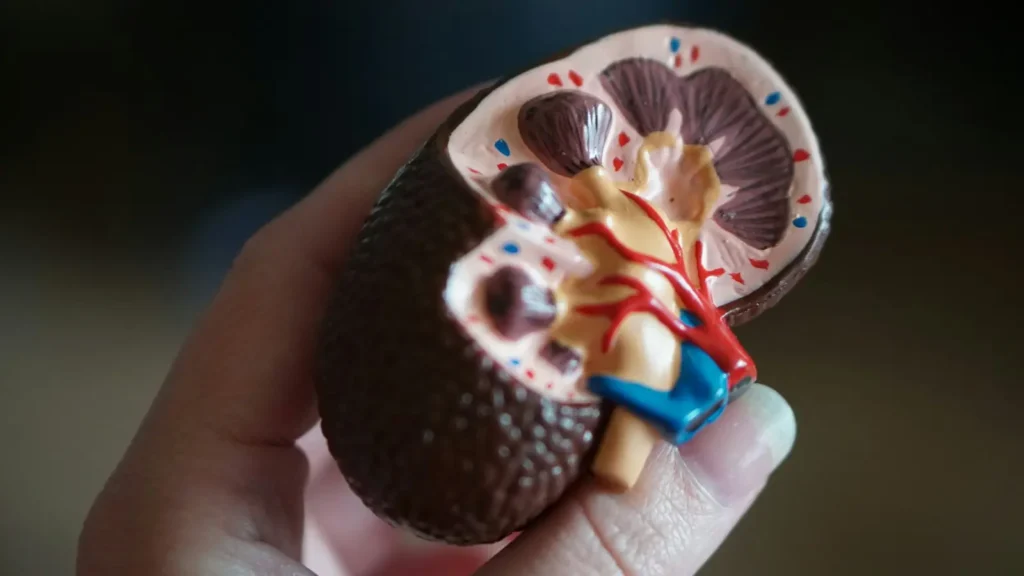
A kidney transplant is a new beginning — but it comes with a lifelong commitment. Immunosuppressant medicines stop the body’s immune system from attacking the new kidney. Taking them exactly as prescribed is the single most important thing a transplant recipient can do to protect the graft.
How immunosuppressants work
After a transplant, the immune system sees the new kidney as “foreign”. Immunosuppressants such as tacrolimus, cyclosporine, mycophenolate and everolimus dampen this response. Most patients take a combination, often with a steroid, and the doses are carefully adjusted by the transplant team.
Why every dose counts
Some immunosuppressants, especially tacrolimus, have a narrow therapeutic window: too little can trigger rejection, too much can harm the kidney and cause side-effects. Missing doses, taking them at irregular times or running out of stock for even a few days can increase the risk of rejection — sometimes without any warning symptoms.
Never stop, skip or change the dose of a transplant medicine without speaking to your transplant doctor.
Practical tips for staying on track
- Fixed times: take doses at the same times each day, typically 12 hours apart for twice-daily medicines.
- Phone alarms and pill organisers make it much harder to forget a dose.
- Plan refills early: order the next month’s supply at least 7–10 days before you run out.
- Travel smart: carry an extra few days’ supply in your hand luggage along with a copy of your prescription.
- Keep a log of doses, blood-test results and any side-effects to discuss at follow-up visits.
Don’t switch brands without advice
Different brands or formulations of the same immunosuppressant can produce different blood levels. If a brand switch is unavoidable, your transplant team may want to check drug levels more often. Always tell your pharmacist which brand you are stable on.
Watch for interactions
Many common medicines, herbal supplements and even foods (such as grapefruit) can raise or lower immunosuppressant levels. Before starting any new medicine — including antibiotics, antifungals or over-the-counter products — check with your transplant doctor or pharmacist.
Regular blood tests
Trough-level monitoring and kidney function tests are routine after a transplant. They help your doctor fine-tune the dose. Take your blood test before the morning dose unless told otherwise.
Reliable monthly supply
K26 Pharmaceuticals supplies transplant immunosuppressants and supporting medicines such as valganciclovir with dependable monthly refills and reminders, so you never run short. See our kidney & transplant range or set up your refill.